Ledgerbound Difficulty Settings
Three notches you can change around a battle — lowering after a wipe still spends bonding time.
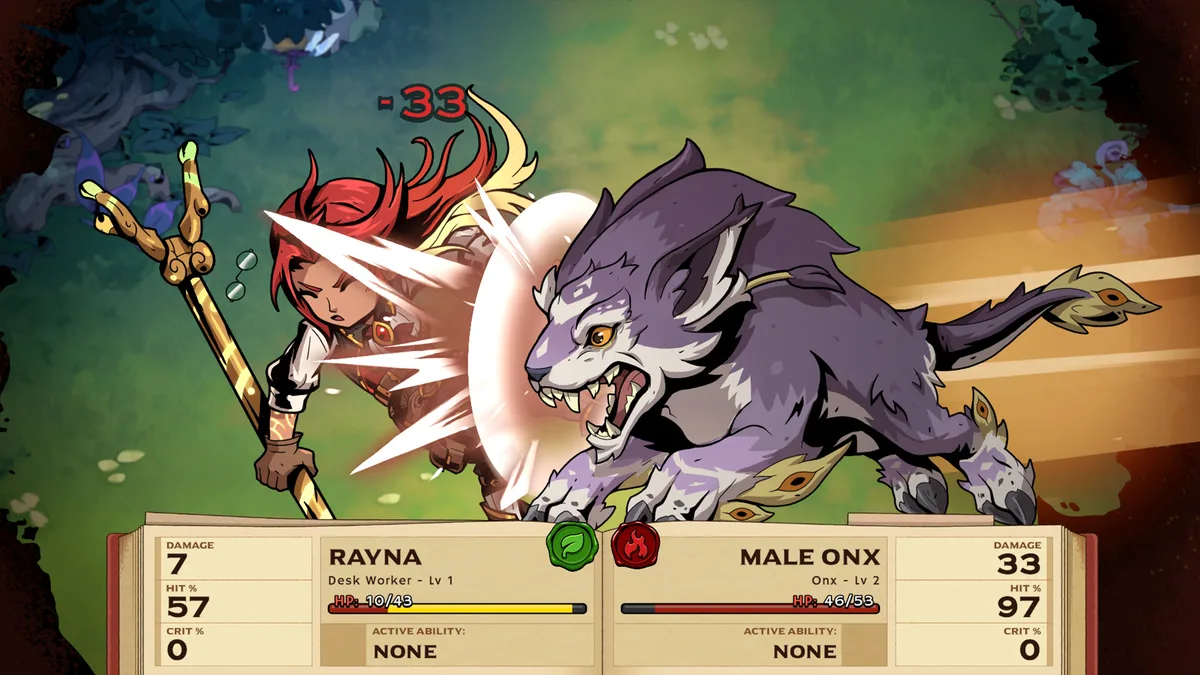
Ledgerbound does not hide its difficulty behind New Game Plus gates. Launch reviews agree there are three difficulty levels you can switch before and after a battle. That flexibility is the insurance-adjuster version of a rewind: you can keep the story moving without pretending the Vacari got easier on their own. This page explains what that switch actually costs, how experience still works with a full party always deployed, and when you should swallow the Resterlude fee instead of rage-retrying on the same notch.
Pair it with Combat Hub, Battle Setup, Camp Time, and Beginner Tips. Launch reviews counted three notches. Patch #2 (August 16, 2026) removed Uninsured to streamline modes after Patch 1 called that setting too difficult. Check the live menu for the remaining names; do not assume Uninsured is still a selectable file. Pair this page with Time and Burnout if resterlude taxes — not enemy HP — are the real wall.
What the three levels do
Public coverage does not print a damage table. Treat the notches as pressure on positioning and stamps, not as a second campaign. RPGamer describes combat as moderate overall, with compact Fire Emblem–like maps, an elemental triangle, and optional side objectives. A higher notch should make those optional stamps harder to snag on the first try. A lower notch should let you finish the story map when you are tired of a choke point, not skip the insurance plot.
Because the full party always deploys, difficulty is not about who you left on the bench. It is about whether you can still hit Jazz’s three optional stamps, keep everyone contributing EXP, and leave enough Resterlude for romance paperwork. Dropping a notch to save an evening is a valid adjuster decision. Dropping a notch every map because you refuse to learn A.R.T.E. is how you arrive at Vacari with a pretty calendar and a weak claims file.
Switching after a fail
The important retail rule: if you fail a battle, you may replay it and lower the difficulty, and that choice costs bonding time. Reviews frame the fee as another Resterlude tax, in the same family as replaying a map for leftover stamps or swapping liabilities. You are not getting a free mulligan. You are buying a calmer hearing with hours you could have spent on Jazz or Sylvie.
Practical habits:
- Try the first pass on the notch you intend to live with. Use battle setup and rewind if the build still offers them, instead of failing into a paid downgrade.
- If a map is a wall and your next camp is a romance gate, pay the bonding cost, drop a notch, and keep the route. Ledgerbound is a dating sim as well as a tactics game.
- If you still need all three stamps for shareholder value, consider staying on the original notch and spending Resterlude on a tabletop replay later. Replays may skip EXP; they still chase stamps.
Experience, always-on party, and why notches feel different
Party members gain experience when they use abilities and attack, not when they spectate. Because everyone deploys, it is easier to keep the roster even than in classic Fire Emblem bench management. A higher difficulty that forces you to turtle with two characters will starve the rest of the office. A lower difficulty that lets everyone poke something once per turn feeds the whole claims department.
That is why difficulty is also a camp decision. Underleveled late recruits such as Sylvie already arrive after your calendar is full. If you also park them in the back row on a brutal notch, they never catch up. Use a slightly kinder notch for the chapter she joins, then climb again once her kit has a few fights.
Stamps, fails, and the 20–40 hour window
RPGamer’s runtime band is about 20 hours for a focused clear, with wiki and Steam chatter stretching toward 40 if you chase stamps, replays, and poly paperwork. Difficulty interacts with that clock. A notch that makes all three optional objectives fail on first try pushes you into Resterlude replays. A notch that makes stamps free makes Shareholders scenes arrive before you understand the joke.
Autosave is aggressive in review builds. A fail plus a difficulty drop can lock in. Do not treat the switch as an undo button for a conversation you already filed.
Suggested first-week policy
| Situation | Suggestion |
|---|---|
| Learning A.R.T.E. and the action wheel | Middle notch if the game offers one; drop only after a genuine wipe |
| Protecting a monogamous male route’s evenings | Pay the bonding fee rather than retrying until midnight |
| Farming leftover stamps | Replay on the original notch; EXP may not apply |
| Technical hiccups, not skill | Verify Steam files, then consider a drop if the map is bugged |
Read Critic Reviews if you want the source quotes. This page stays mechanical.
Related pages
- HR Objectives — why stamps are worth the extra pressure.
- Vacari — regenerating foes that punish sloppy clears on any notch.
- Party Builds — coverage still matters when everyone deploys.
- Launch Day — first-session habits after the August 13 unlock.
Frequently Asked Questions
Quick answers for Ledgerbound players.
How many difficulty levels does Ledgerbound have?
Launch reviews counted three levels you can switch around a battle. Patch 2 removed Uninsured. Confirm remaining names in your post-patch menu.
Can I change difficulty after I start?
Yes. You can change it around battles. Lowering the setting after a failed map costs bonding / Resterlude time.
Does a lower difficulty skip story?
No. It eases the current tactical map. Romance paperwork, stamps, and Vacari still exist.
Should beginners start on the lowest notch?
Start on the middle option if one exists, then drop after a wipe if a romance evening is at risk. Learning A.R.T.E. on a too-easy notch hides stamp pressure.